
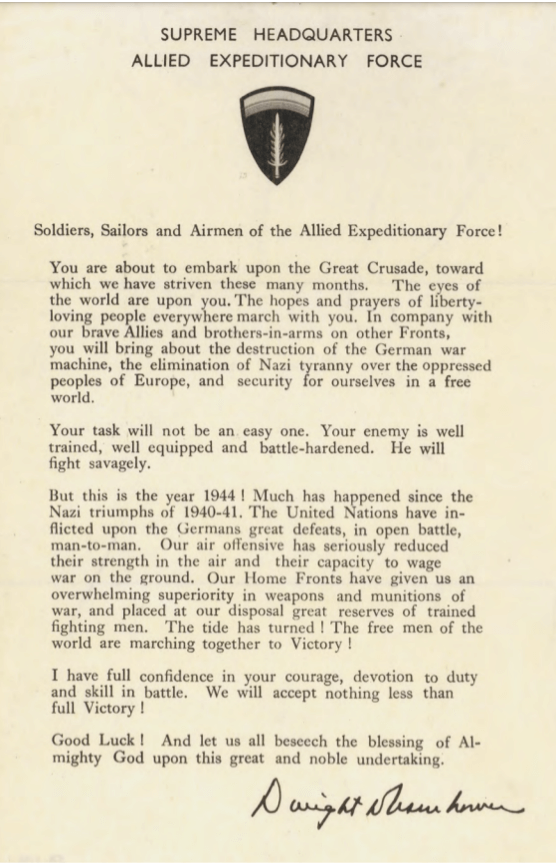
After months of meticulous planning and multi-national coordination, General Dwight D. Eisenhower was banking on the stars to align on June 5th, 1944. He had been planning D-Day, and a small window with the perfect weather conditions was crucial to the viability of his strategy. That date had been selected for its full moon that could guide the ships and the low tide that would be strong enough to expose beach obstacles.
But June 5th, 1944 proved to be an ugly day with choppy seas and low visibility. If Eisenhower was going to proceed with the mission, he was under the gun to decide. Despite the suboptimal weather forecast, Ike greenlit the mission for the following day, June 6th, embarking on the largest amphibious invasion in the history of the world.
Under the code name Operation Overlord, five naval assault divisions with 7,000 ships and landing craft were readied to storm the beaches of Normandy, France. On that day, more than 150,000 American, British, and Allied troops landed on Utah, Omaha, Gold, Juno and Sword Beaches to fight the Germans, and Wheeler ships were there too, to support the effort.
The Logistics of War
With battles raging in both the Pacific and Atlantic theaters, metal was scarce and ships were in high demand. Wheeler Yachts answered the call from the U.S. military by converting its production lines from yacht building to military vessels.
From its Cropsey Avenue headquarters in Brooklyn, N.Y., Wheeler contributed 230 83-foot cutters. The Coast Guard revered these wooden vessels for their durability and performance in rough waters and large fuel tanks that could see missions through. Despite these attributes, the ships earned the unfortunate nickname of “Matchbox Fleet” since one unlucky bullet to the nearly 2,000-gallon fuel tanks could light up a boat like a box of matches.
With all its shipbuilding experience, the Wheeler team made the transition to cutters relatively easily. The round-bilged 83-footers required weren’t that different from the specs of Wheeler’s sportfishing boats. Each shared design features such as a narrow, single-planked hull with a 16-foot beam and straight keel, ending in a skeg that protected the running gear and rudder. Wheeler’s cutters could reach a 12-knot cruising speed, powered by twin Sterling Viking II TCG 8 gas engines that each produced 600 hp and were manufactured in Buffalo, N.Y.
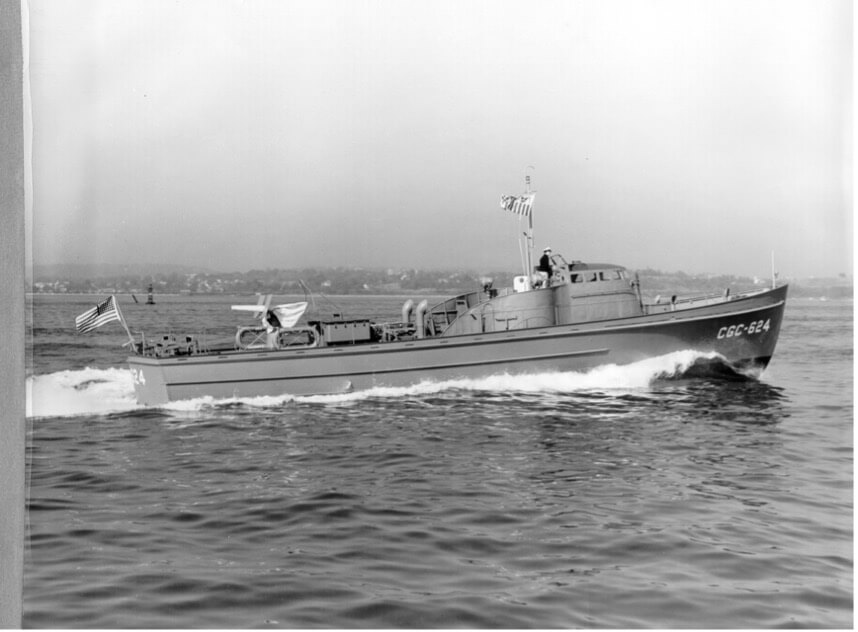
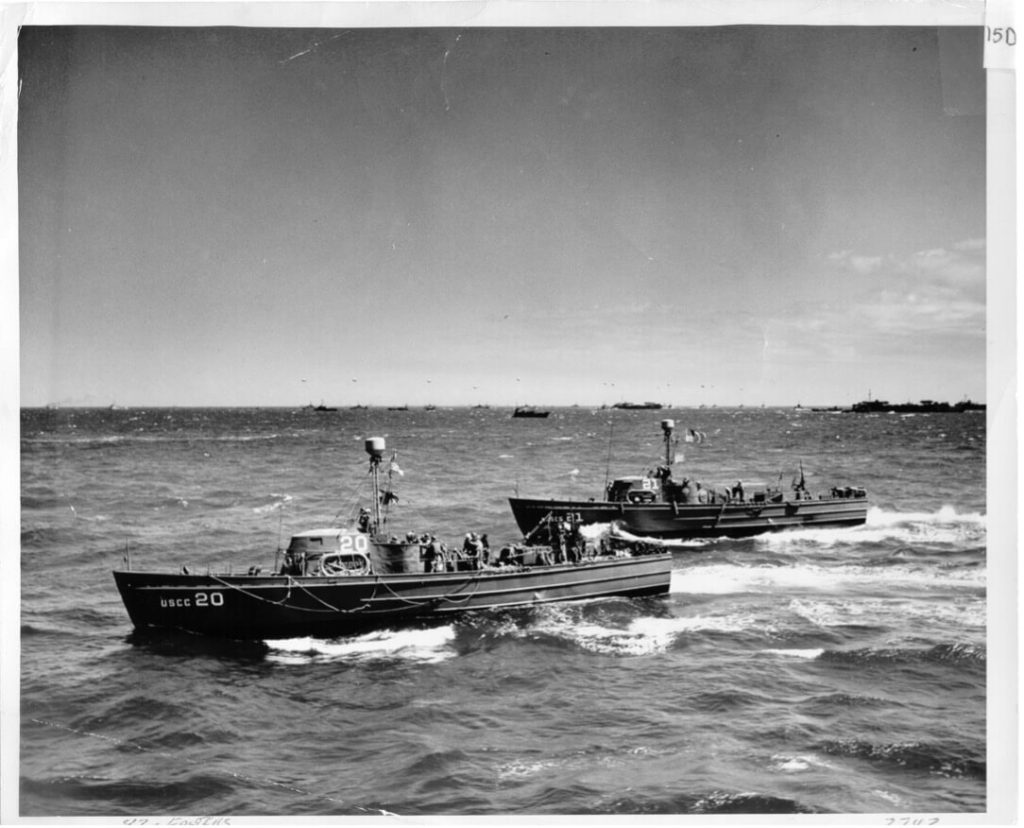
In preparation for Operation Overlord, the Matchbox Fleet had their hull numbers removed and were redesignated with USCG 1 through 60. The fleet was transported to Poole, England on freighters where, under the orders of President Franklin Roosevelt, they were assembled to create Rescue Flotilla One.

Rescue Flotilla One Springs Into Action
The scene was horrifically chaotic as D-Day forces stormed the Normandy coastline by air and sea. With steep cliffs affording the Germans advantageous defensive positions, the operation was fraught with peril for the brave soldiers who had answered the call of duty. Rescue Flotilla One had a single mission that day: pick up Allied soldiers from the sea — simple, except none of the crews were trained in water rescues.
Rescue Flotilla One’s 60 boats, including many Wheeler-made cutters, spread out along the coast searching for airmen and troops in the frigid English Channel. Between downed airplanes, rough seas, and strong currents, many soldiers found themselves in need of lifesaving that day.
Despite a lack of training, the rescue crews stepped up to the task. D-Day Coast Guard veteran Jack Hamlin recalled:
“There were two of us on my cutter designated to be what we called rescue swimmers. We had a life jacket on us, and attached to our lifeguard was a line and the line was held by our larger boys aboard. It was hard for us to decide who to pick up. We didn’t really know until we got to them if they were dead, how they were wounded … It was quite a shock having to see that.”
Jack’s crew and their fellow coast guardsmen diligently carried out their branch’s time-honored task of saving lives, even under enemy fire on an unfamiliar shoreline thousands of miles from home. One historian recounted, “If you were in those chilly waters, you were darn glad to see one of those little 83-footers skirting around. … Those little puppies worked their butts off.”
The Matchbox fleet more than pulled its weight that harrowing day. Rescue Flotilla One saved more than 400 men on D-Day alone. Before the unit was decommissioned in December 1944, it was responsible for saving more than 1,400 lives.
The Normandy landings were one of the true turning points of WWII and marked the beginning of the long and costly campaign to liberate Europe from German occupation. But D-Day wasn’t the first time Wheeler contributed to America’s fight for freedom. Learn more about how Wheeler Yachts supported America’s war efforts in WWI and WWII.